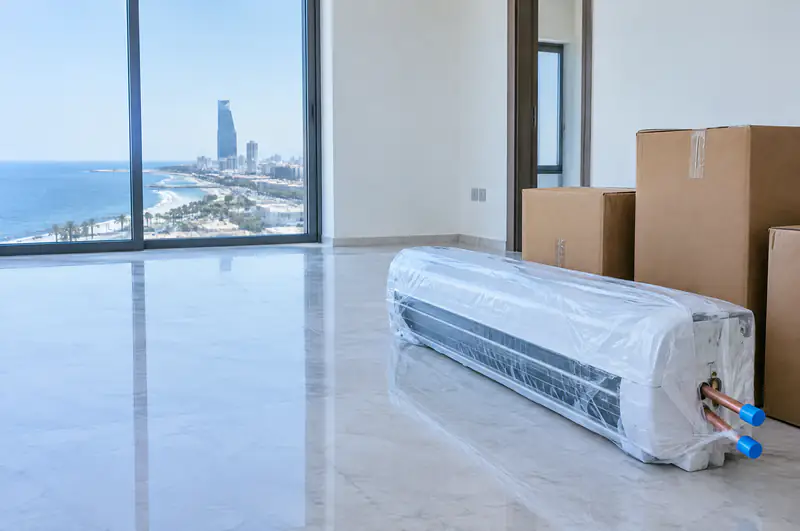

Moved without losing refrigerant
AC removal & refitting in Al Shati
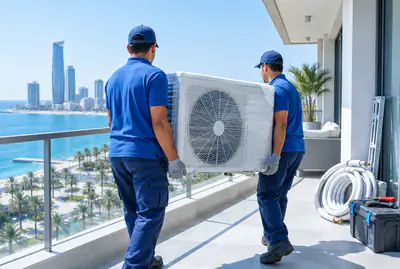
In Al Shati, northern Jeddah's coastal neighbourhood, residents move their AC units between seaside villas and modern flats. We gently disconnect the unit, recover the refrigerant, safely transport all parts, then reinstall with careful performance testing at the new location.
- Refrigerant saved
- Fresh copper
- Holes sealed
Clients We're Proud to Serve
Organisations and companies that trusted Alrabih with their projects.



































When you need removal and refitting
- 1
Moving to a new home
You want to take your units to the new home without losing the refrigerant charge or arriving with a unit that no longer cools properly. The right removal keeps the charge locked in the outdoor unit until refitting.
- 2
Renovation or repainting
Contractors need a clear wall for painting or plastering. We remove the indoor unit after saving the refrigerant, and once the renovation is done, we refit and close old holes that would otherwise spoil the fresh wall finish.
- 3
Repositioning a unit in the same building
The current position may no longer suit new furniture, or the old wall core is in the wrong place. We move it to the better spot and plan the new copper and drain route before drilling anything.
Who it's for
Renovating your flat and need walls cleared
We remove indoor units after pump-down, seal old holes, then refit once finishing work is complete so your units are never handled by the renovation crew.
Ask on WhatsAppRelocating your business to new premises
We survey both premises, pump down, remove the units from the current site, then refit them at the new location with copper runs and drain lines suited to the new building layout.
Ask on WhatsApp
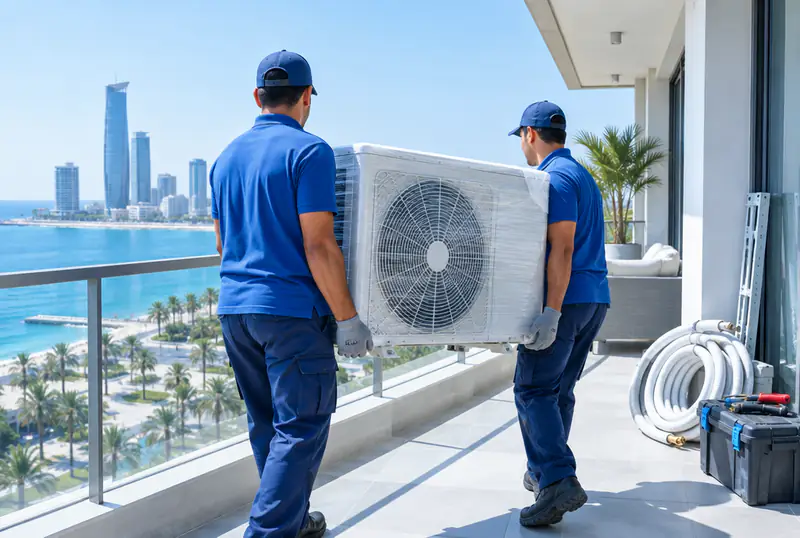
What the service covers
- Pump-down into outdoor unit
- Remove both units cap pipes
- Seal old wall holes
- Mueller copper insulated on site
- Vacuum test and start-up
How we work
How we work
- 1
Survey both sites
We visit the removal site and the new location to plan the copper route, drain line and run length, and tell you if new copper or extra materials are needed.
- 2
Pump down and remove
We run the unit in pump-down mode until all refrigerant moves into the outdoor unit, then close the service valves and remove both units carefully.
- 3
Seal holes and transport
We close the old wall cores with suitable material so they do not let in hot air or insects, then transport both units to the new location.
- 4
Refit, vacuum and start
We mount both units, run Mueller copper in runs of up to 30 metres without welded joints, vacuum the line, test the joints, then release the saved refrigerant and verify cooling with you present.
Proper removal or an unprepared one?
| Alrabih | The usual way | |
|---|---|---|
| Refrigerant | Saved by pump-down | Lost to the air |
| Copper pipes | Capped at removal | Open, moisture enters |
| Old holes | Sealed after removal | Left open, air leaks in |
| New-site copper | New Mueller, insulated | Old copper reused |
| Drain at new site | Drain fall planned at survey | Left to chance during fitting |
Everything your AC needs, from one team
From system design and duct fabrication to installation, commissioning and maintenance.

Split AC installation
Request this serviceDuct installation
Request this serviceCentral AC installation
Request this serviceDuct fabrication
Request this serviceCold room installation
Request this serviceElectro-mechanical works
Request this serviceChiller & AHU installation
Request this serviceHVAC design
Request this serviceAC repair & faults
Request this serviceAC cleaning
Request this serviceRefrigerant charging
Request this serviceCentral AC maintenance
Request this serviceChiller maintenance
Request this serviceAC removal & refitting
Request this serviceDuct cleaning & sanitising
Request this serviceAC servicing by brand
Request this serviceOperation & maintenance contracts
Request this serviceAHU maintenance
Request this serviceFridge & freezer service
Request this serviceCold rooms
Request this serviceDisplay fridges & chillers
Request this serviceFactory HVAC
Request this serviceWarehouse HVAC
Request this serviceVilla & home HVAC
Request this serviceHotel HVAC
Request this serviceSchool HVAC
Request this serviceHospital HVAC
Request this serviceMosque HVAC
Request this serviceMall & retail HVAC
Request this serviceRestaurant & cafe HVAC
Request this service
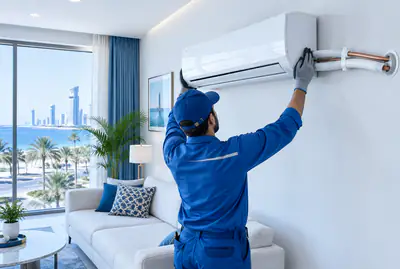
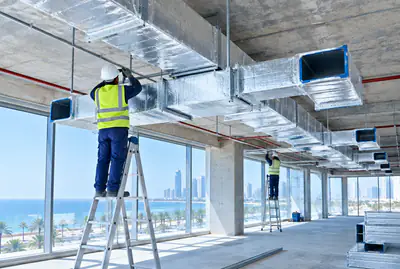



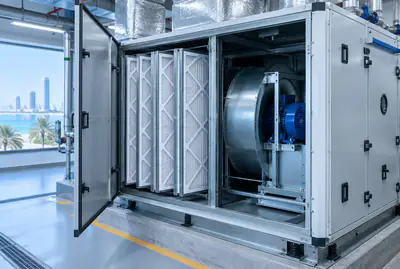
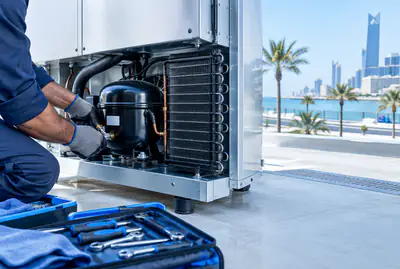










Some of our work
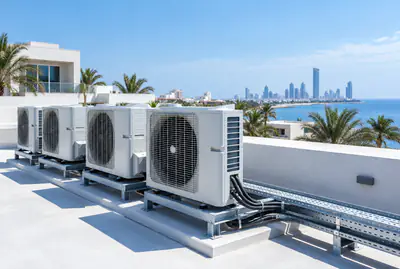
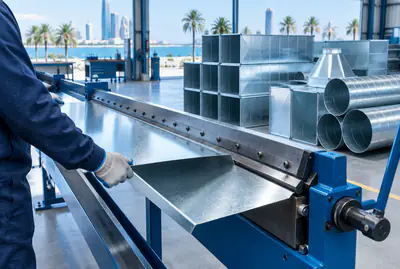
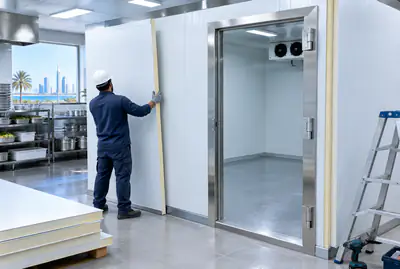
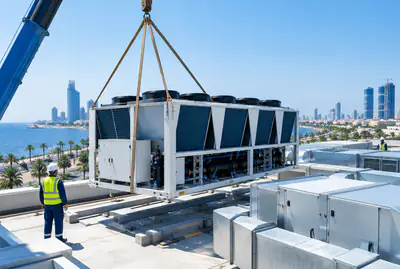
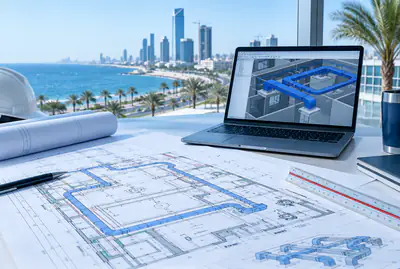
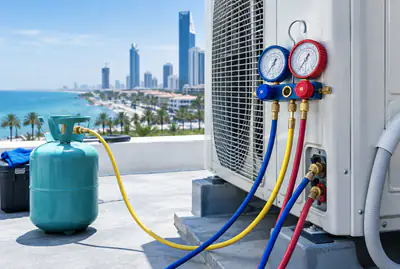
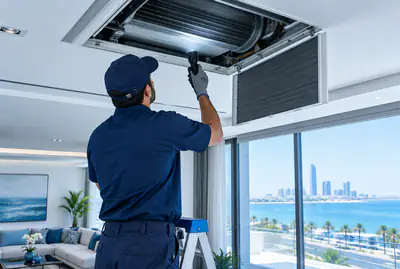
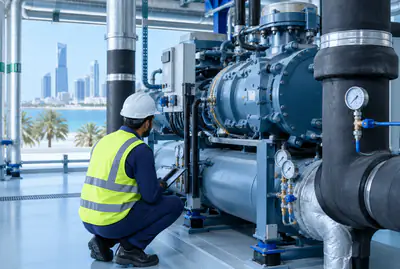
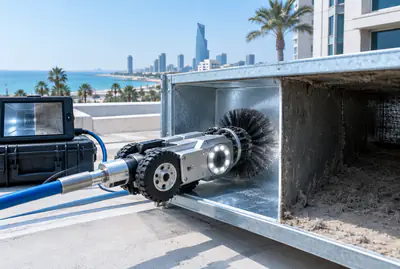
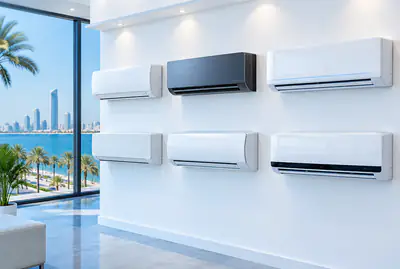
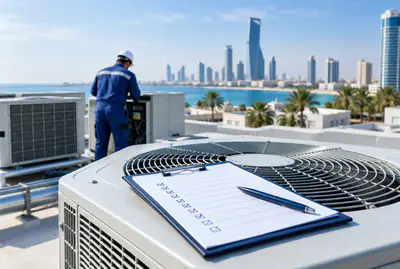
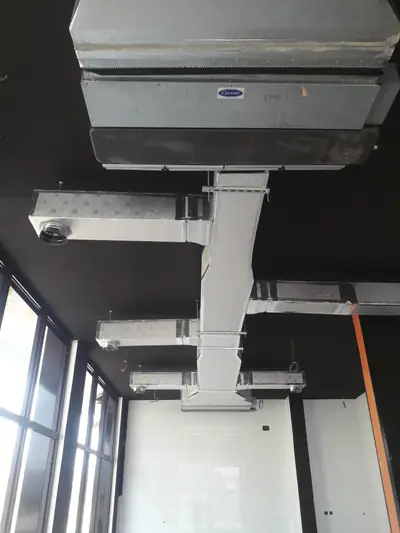
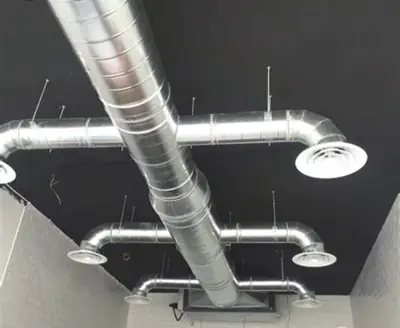
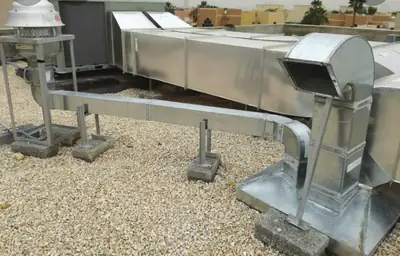
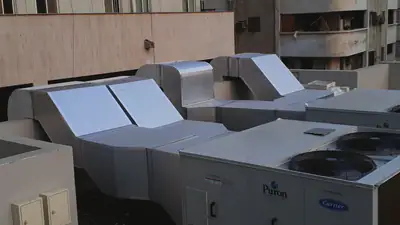
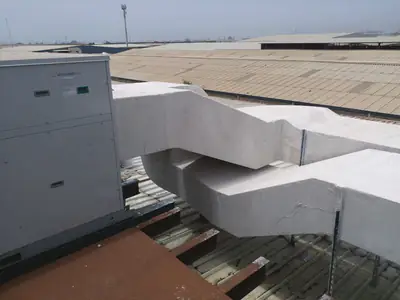
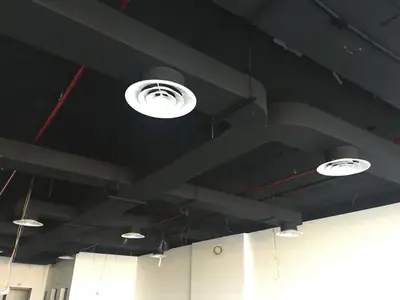
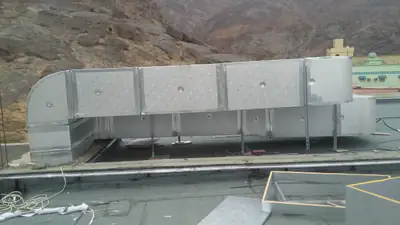
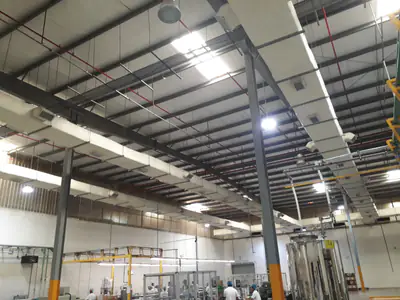
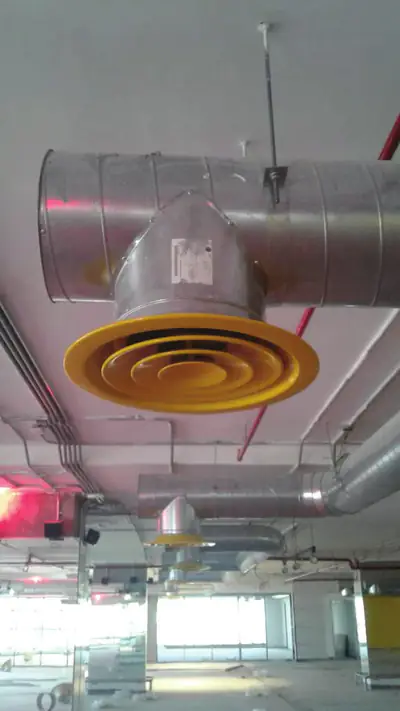
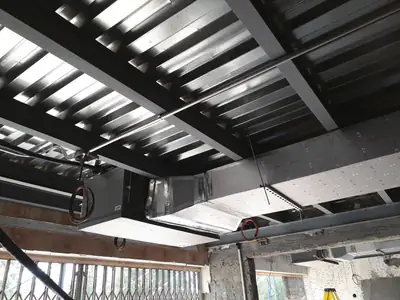
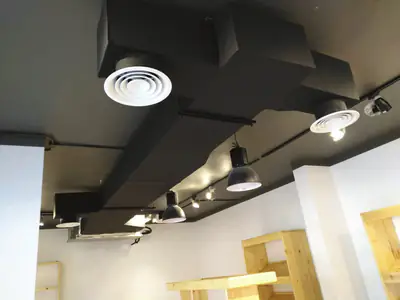
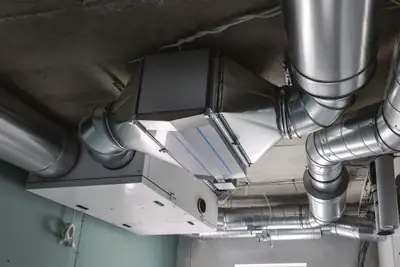
Ductwork, rooftop units and diffusers, from work we've completed in Jeddah.
Customer reviews
What our customers say
- Muhammadramzan 2641
“MashaaAllah. Services are so good. Behaviour and kindness 100/100. Prices are less then Market. Fully recommended”
- shahzeb armani
“Wow. Prices are so comfortable. Outstanding services. People are so talented and nice”
- Tawfik AlyawerLocal Guide
“U can find all u need for air conditioning”
Your satisfaction matters to us! If you had a great experience with us, we'd love a 5-star rating and a kind review.
Worked with us? Leave a reviewService areas
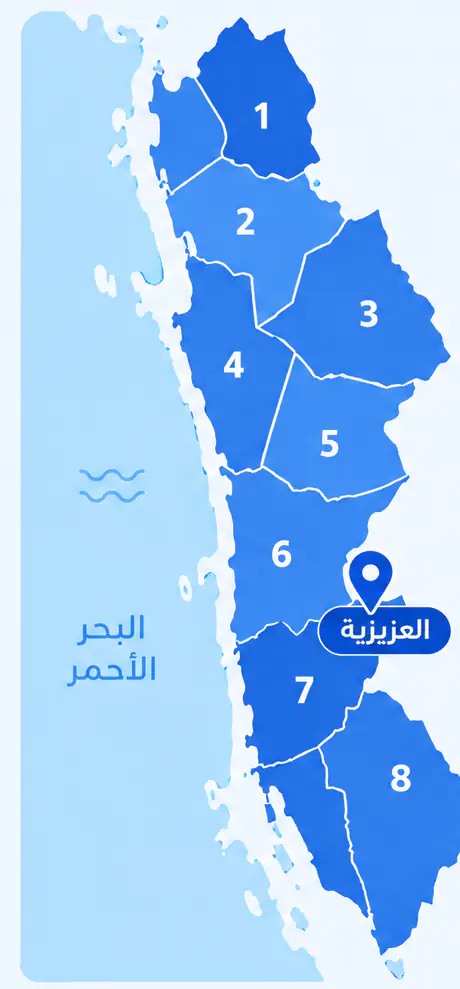
We come to you anywhere in Jeddah
From Al Shiraa and Al Yaqout in the north to Al Thaghr and Al Quraiyat in the south, with our base in Al Aziziyah.
What sets this district apart
Al Shati is a luxurious coastal residential zone of spacious villas and modern seafront flats, with newer buildings than older districts. Direct coastal exposure means humidity and salt powerfully corrode metals and copper lines, especially outdoor units facing constant sea winds. Moving an AC here needs extra protection for the tubing and metal sheeting, and closer testing to keep moisture out of the new system.
Al Shati lies on Jeddah's northern seafront, a luxury coastal residential zone of modern villas and flats with direct sea views.
Most villas and flats in Al Shati have multiple split units, with outdoor units directly exposed to humid, salty sea air.
The AC setup in Al Shati
- 1
Multiple units in luxury villas
Luxury seaside villas in Al Shati often have three or more split units, each serving a different villa section.
- 2
Modern flats with units on seafront balconies
Seafront flats typically have outdoor units mounted directly on ocean-facing balconies, exposed to salt and moisture.
- 3
Long copper runs with heightened coastal protection
Long distances between indoor and outdoor units in villas and flats require extended copper runs with stronger salt-resistant insulation.
Before the visit
Before our visit in Al Shati
- 1
Inspect the new outdoor unit location
Before moving, tell us precisely where the new outdoor unit will be and whether the spot is sheltered from direct sea winds or fully exposed.
- 2
Verify electrical safety at the new location
Confirm the electrical supply at the new location is safe and protected from sea moisture, and the distance from the power source to the outdoor unit is adequate.
- 3
Prepare safe space for installation and recovery
Ensure clear, safe access for our team during disconnect and installation, away from guests and children, especially during gas recovery.
More districts for AC removal & refitting
Other services in Al Shati
FAQ
Questions about AC removal & refitting
Can the old copper pipes be reused at the new site?
It depends on the condition of the pipes and the layout at the new site. If the pipes are free of oxidation and insulation cracking, and the length fits the new run, they can be reused after inspection. If the new site needs a longer route or the existing pipes show wear, fresh Mueller copper pipe at 99% pure copper is run to suit the new layout. The site survey decides.
Why not just remove the unit without pumping down first?
Before any connection is opened, the compressor is run to pump the refrigerant charge into the outdoor unit and the service valves are closed on it. If the connections are opened first, the refrigerant escapes into the air and is lost entirely, which is both costly and harmful to the environment. Pumping down first keeps the full charge sealed inside the outdoor unit, ready to use at the new site.
What happens to the old wall hole after the unit is removed?
Once the pipes and cable are pulled out, the hole is cleared of insulation remnants and sleeve material, then sealed with a filler suited to the wall type, whether concrete, brick or gypsum board. The aim is a tight closure that stops humid air and insects from entering and leaves the wall surface clean before the site is handed back.
Can a unit be moved to a different floor in the same building?
Yes, but moving to a different floor means a completely new pipe route, a different cable length, and possibly a changed drain line fall. The site survey defines the pipe path, the required run length and the outdoor unit position. Mueller copper pipe at 99% pure copper is then laid along a route that accounts for the floor difference, and a vacuum test and pressure test are carried out before the unit is started.
Can a unit be moved to a different floor in the same building?
Yes, but a different floor changes the copper run length, the drain route and where the outdoor unit is fixed. At the survey we establish whether extra copper is needed and where the drain can fall correctly, then plan the full route before any removal begins.
My villa is right on the beach, does that affect relocating the AC?
Yes, direct beach exposure accelerates corrosion. We wrap the copper lines in thick double insulation and use salt-resistant materials for the new installation.
The outdoor unit faces the sea breeze directly, how often does it need cleaning?
In such direct coastal exposure, we advise cleaning the outdoor coil every six weeks instead of three months, as salt and moisture accumulate faster.
After moving the AC from an old seaside villa to a new one, how do you protect the system from salt?
We fully vacuum the line of air and moisture, use high-purity refrigerant, seal all tubing with anti-oxidant compounds, then test under high pressure for any leaks.
Do I need a special outdoor unit model for coastal areas?
The standard unit is fine if installed with proper protection. We recommend mounting it on a rust-treated stand and in a location as sheltered as possible from direct sea winds.